°C
 4
Min
Kenya has confirmed a second Ebola infection, raising concerns about the potential spread of the virus across national borders following an initial case linked to an outbreak in the Democratic Republic of the Congo (DRC).
Kenya Confirms Second Ebola Case as Outbreak Concerns Grow
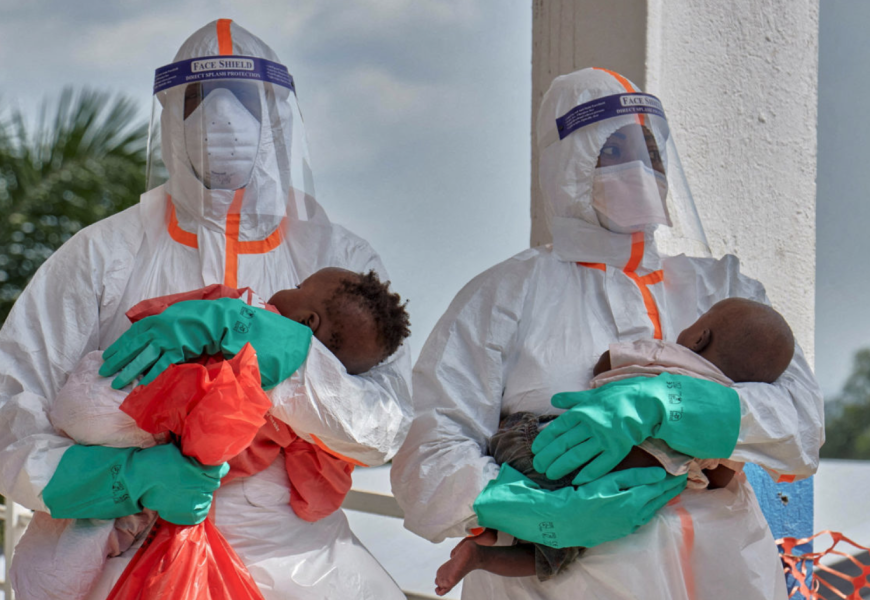
Kenya has confirmed a second Ebola infection, raising concerns about the potential spread of the virus across national borders following an initial case linked to an outbreak in the Democratic Republic of the Congo (DRC).
The country's Ministry of Health announced on Wednesday that a 39-year-old man, who is a close relative of the first patient, had tested positive for the disease. The man developed symptoms on Tuesday while already in quarantine.
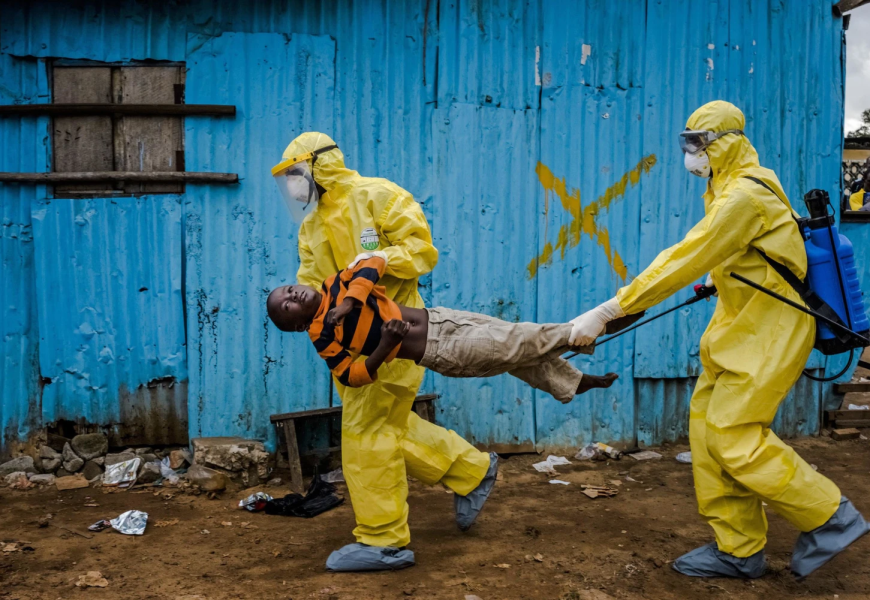
His symptoms include fever, fatigue and joint pain. He has been transferred to a designated Ebola treatment centre, where he is receiving medical care, according to the ministry.
Kenya confirmed its first case approximately a week earlier, when a citizen who had been living in the DRC travelled to the country and subsequently died at a hospital in Nairobi two days after arrival.
The emergence of a second case within the same family has heightened concerns about the effectiveness of regional surveillance and measures designed to prevent the virus from spreading between countries.
Questions over regional border controls
The first case prompted questions about how the patient had travelled through multiple countries without being detected by health screening authorities.
The patient reportedly travelled by road from the DRC to Uganda before flying to Nairobi. His journey raised particular questions because restrictions had been imposed on movement across the DRC-Uganda border amid the Ebola outbreak.
It remains unclear how the patient was able to cross into Uganda despite the reported border restrictions.
Ugandan government media centre executive director Alan Kasujja rejected suggestions that Uganda should be held responsible for the incident, stating on social media that the country did not have an active Ebola outbreak.
Kenyan health officials have indicated that they would work with counterparts in the DRC and Uganda, as well as the Africa Centres for Disease Control and Prevention, to investigate how the patient travelled through the region undetected.
The investigation is expected to examine possible gaps in border screening, passenger monitoring and the sharing of information between public health authorities.
Kenya strengthens its Ebola response
Kenya has stepped up its national response since the initial case was identified, including tracing people who may have been exposed to the virus.
Health Minister Aden Duale previously said authorities had identified at least 57 contacts linked to the first patient, with 10 people placed in quarantine immediately.
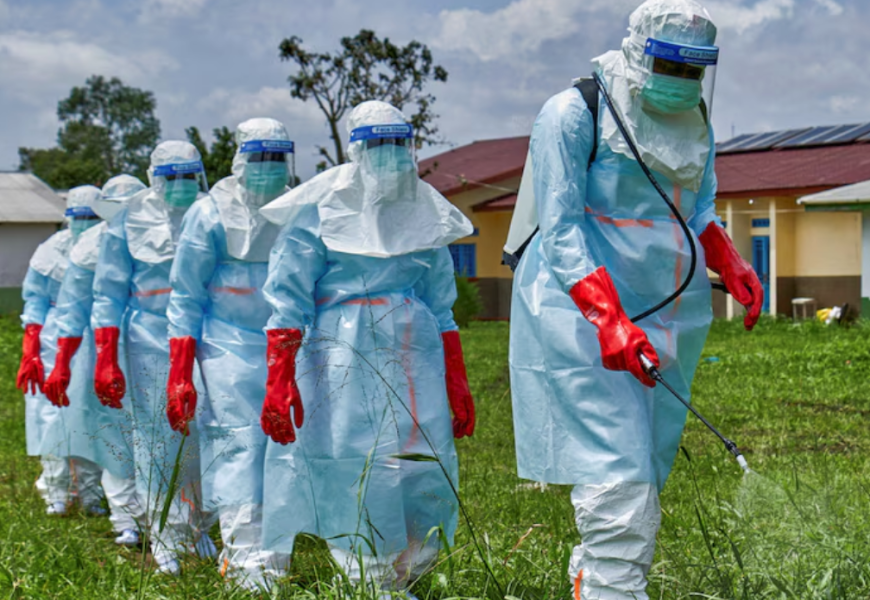
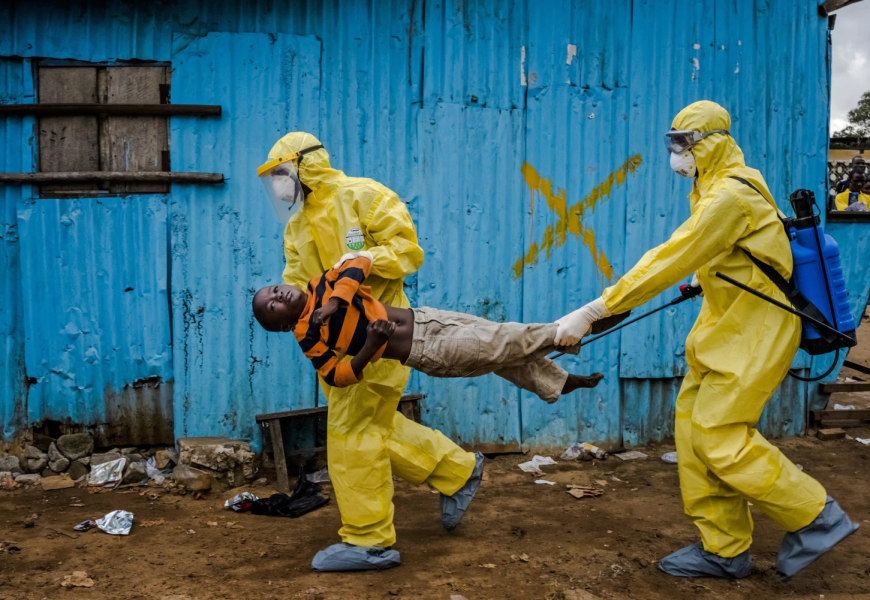
Contact tracing and quarantine measures are central to efforts to contain Ebola because the virus can spread through direct contact with the bodily fluids of an infected person, including someone who has died from the disease.
Health authorities are expected to continue monitoring people who may have been exposed and to strengthen surveillance to identify further infections as quickly as possible.
Regional outbreak raises international concerns
Kenya is the fourth country to record a case linked to the Ebola epidemic in the DRC, which has experienced one of the largest outbreaks in the world.
The outbreak has recorded more than 9,000 cases and over 4,000 deaths, according to figures cited in recent reports.
Uganda also experienced an Ebola outbreak earlier in the year, reporting 20 cases and two deaths before being declared Ebola-free in August. Separately, a doctor who returned to France from the DRC in June tested positive, although no further transmission was reported in that case.
Ebola is a serious infectious disease that can cause fever, vomiting, diarrhoea and, in severe cases, internal or external bleeding. Early symptoms can resemble those of other illnesses, making prompt testing and careful monitoring important during an outbreak.
Kenya's Health Ministry said it would continue providing updates on the second patient's condition as treatment and containment efforts proceed.
The latest case highlights the importance of coordinated regional surveillance, effective contact tracing and timely information-sharing as authorities work to prevent further transmission of the virus.
More Top Stories