°C
 3
Min
Iran-backed Houthi forces have taken full control of Yemen's Red Sea coastline after making a rapid advance against government forces, increasing their influence over one of the region's most strategically important maritime areas. The Houthi advance has extended across a number of coastal towns and includes control of Perim Island, which sits near the Bab al-Mandeb Strait, a key passage connecting the Red Sea with the Gulf of Aden.
Houthis control Red Sea coast, Saudi pipeline shut down
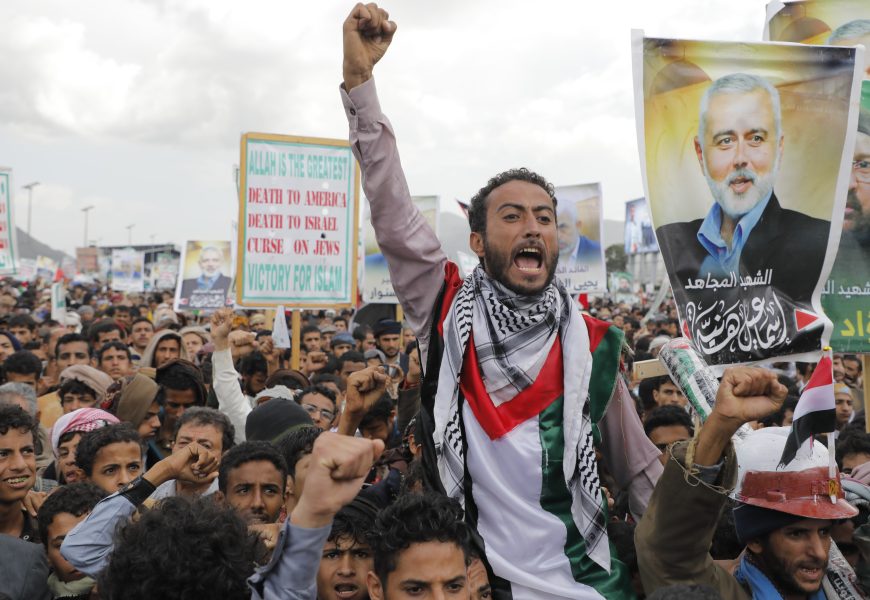
Iran-backed Houthi forces have taken full control of Yemen's Red Sea coastline after making a rapid advance against government forces, increasing their influence over one of the region's most strategically important maritime areas.
The Houthi advance has extended across a number of coastal towns and includes control of Perim Island, which sits near the Bab al-Mandeb Strait, a key passage connecting the Red Sea with the Gulf of Aden.
A Houthi official said freedom of navigation through the Red Sea and Bab al-Mandeb remained safe and orderly despite the group's territorial gains.
The developments come as tensions across the region continue to rise, with Saudi Arabia temporarily suspending operations on its East-West oil pipeline after the facility was targeted by drones launched from Iraq.
Saudi authorities described the pipeline shutdown as a precautionary measure. Riyadh has so far decided against immediate military retaliation, instead giving Iraqi authorities time to investigate the attack and take steps to prevent further strikes.
Iraqi Prime Minister Ali al-Zaidi has ordered an investigation after confirming that the drones involved in the attack originated from Iraq. He has also dismissed a regional military commander as part of the government response.
Iraq closes key Iran border crossing
Iraq has separately ordered the temporary closure of the Shalamcheh border crossing with Iran as a precautionary measure.
The crossing is an important land route between Iraq and Iran and has previously been affected by regional military tensions.
Two Iraqi security sources said the closure followed the drone attack on Saudi Arabia's East-West pipeline. The crossing has also been the site of previous military activity, with a US missile strike in July killing two people and injuring 11 others.
The latest measures reflect growing concerns that the widening regional conflict could disrupt transport, energy infrastructure and commercial routes across the Middle East.
Strait of Hormuz talks planned
Iran is expected to meet with Gulf states and Iraq in Oman on Monday for discussions focused on security and commercial shipping through the Strait of Hormuz.
The talks are intended to address maritime security and the safe movement of commercial vessels through the strategically vital waterway.
The Strait of Hormuz is one of the world's most important energy corridors, carrying a significant share of global oil and gas shipments.
US Central Command has said it redirected 99 commercial vessels as part of efforts to enforce a blockade in the Strait of Hormuz, adding another layer of pressure to negotiations over maritime access.
Iranian First Vice President Mohammad Reza Aref has praised developments in Yemen following the Houthi advances, while regional governments face growing pressure to prevent the conflict from spreading further.
With the Houthis now controlling Yemen's Red Sea coastline and fresh attacks targeting Saudi energy infrastructure, concerns are increasing over the potential impact on regional security, oil supplies and global shipping.
More Top Stories