°C
 3
Min
G7 countries have agreed to release up to 100 million barrels of oil from strategic reserves as global energy prices continue to rise amid the ongoing war involving the United States, Israel and Iran. The decision followed a meeting chaired by French President Emmanuel Macron, with the release to be coordinated through the International Energy Agency (IEA) over the next four months.
G7 announces major oil reserve release as diesel supplies tighten
G7 countries have agreed to release up to 100 million barrels of oil from strategic reserves as global energy prices continue to rise amid the ongoing war involving the United States, Israel and Iran.
The decision followed a meeting chaired by French President Emmanuel Macron, with the release to be coordinated through the International Energy Agency (IEA) over the next four months.
The G7 said the plan would include a substantial, front-loaded release of diesel, with supplies to be made available within the first 20 days by G7 members and partner countries.
The group also said it would meet through the IEA in the coming days to consider whether further diesel releases would be required.
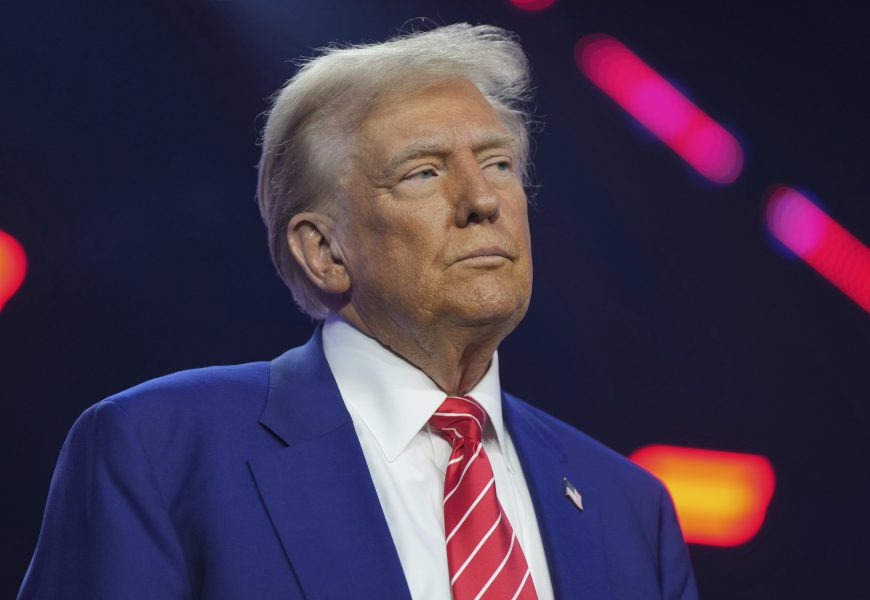
The announcement came shortly after US President Donald Trump said Europe had agreed to release a large quantity of diesel from its stockpiles.
Trump has been urging European countries, including Germany and France, to make more diesel available as energy prices have risen and shipping through the Strait of Hormuz has been disrupted.
The G7 includes the United States, Canada, France, Germany, Italy, Japan and the United Kingdom. The European Union participates in the grouping as an observer.
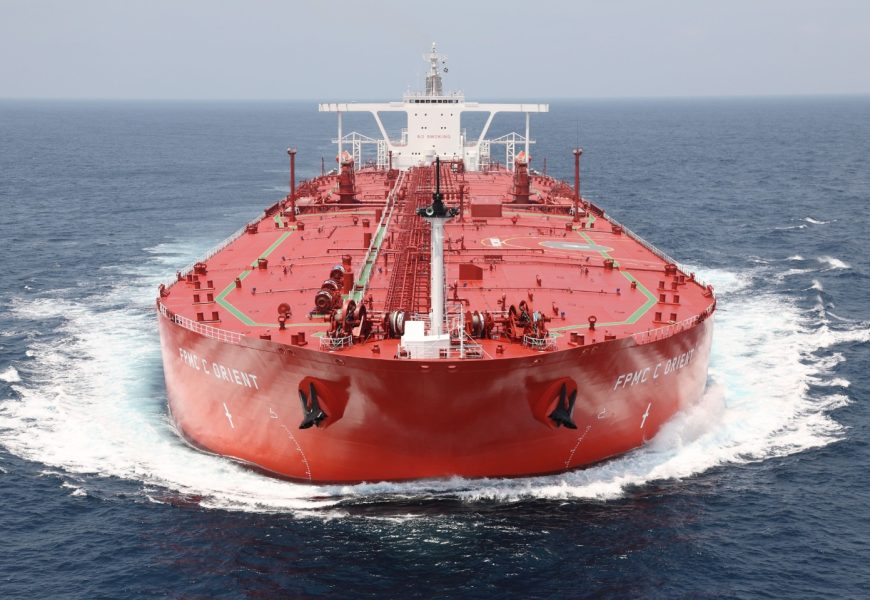
The conflict involving Iran has contributed to higher global energy prices, with disruptions to shipping through the Strait of Hormuz placing additional pressure on oil and refined fuel supplies.
Eurostat data for June 2026 showed that European Union countries, together with the United Kingdom, held about 52 million tonnes of gas, oil and diesel stocks. Almost 38 million tonnes were classified as emergency reserves held by EU countries.
EU regulations require member states to maintain emergency oil stocks equivalent to at least 90 days of net imports or 61 days of domestic consumption, whichever is greater.
Trump had threatened diesel export restrictions
The G7 agreement follows pressure from Trump for European countries to release diesel from their strategic supplies.
Trump had previously raised the possibility of restricting US diesel exports if European nations did not make more of their own stocks available. The European Union rejected that proposal on Friday.
Diesel prices have also risen sharply in the United States.
The American Automobile Association reported that the national average price for diesel reached $6.37 a gallon on Friday. The price had reached a record $6.52 a gallon on September 22.
The rising cost of diesel has become an important economic issue in the United States because the fuel is widely used by the transport, construction and agricultural industries.
US diesel inventories stood at about 107.9 million barrels on September 11, according to government data, representing a record low.
The fuel shortages and higher prices come as the United States approaches its November midterm elections, with economic conditions emerging as a significant political issue.
The latest G7 decision follows an earlier agreement by the IEA's 32 member countries in March to release 400 million barrels of oil from emergency reserves.
Officials have indicated that the earlier release has not yet been fully completed.
The latest G7 announcement is intended to increase the availability of oil and diesel in the short term while governments continue to monitor global energy supplies and disruptions to international shipping.
More Top Stories