°C
 6
Min
The Democratic Republic of the Congo and Rwanda have returned to negotiations in Geneva in an effort to ease tensions over the long-running conflict in eastern Congo, but fighting and political divisions continue to complicate the search for a lasting settlement.
DRC-Rwanda Geneva Talks Seek Path Out of Eastern Congo Conflict
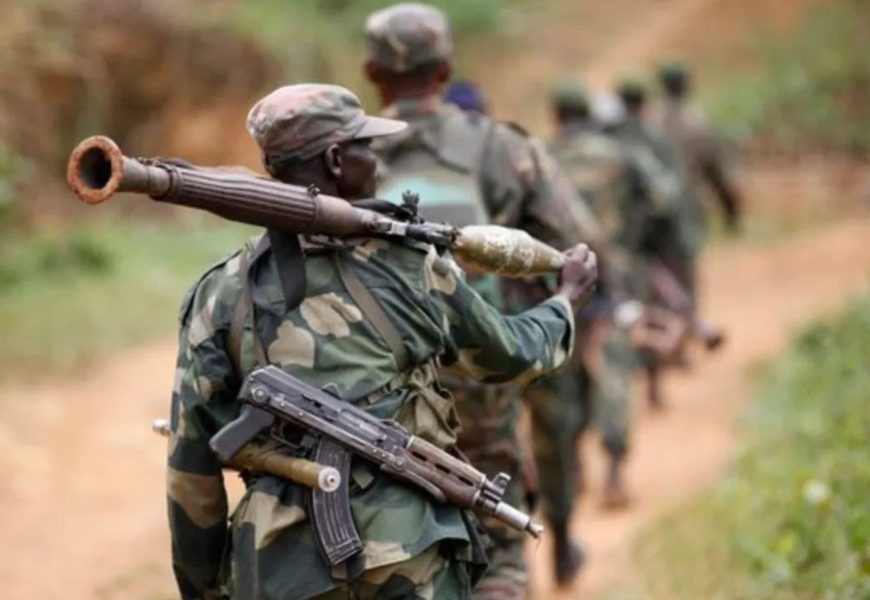
The Democratic Republic of the Congo and Rwanda have returned to negotiations in Geneva in an effort to ease tensions over the long-running conflict in eastern Congo, but fighting and political divisions continue to complicate the search for a lasting settlement.
More than a year after the two countries signed an agreement aimed at ending their confrontation, violence has continued in North and South Kivu.
The dispute involves several interconnected issues, including the Democratic Forces for the Liberation of Rwanda (FDLR), Rwanda's military presence in Congolese territory and the territorial control exercised by the M23 armed group.
At the same time, Kinshasa is pursuing separate negotiations with the political alliance associated with M23, meaning two diplomatic processes are taking place simultaneously.
In Goma, which M23 captured in January 2025, residents and civil society activists are watching the Geneva discussions closely but remain focused on whether diplomacy can produce tangible improvements on the ground.
Pro-democracy activist Josue Akuzwe Walayi said many people were still waiting to see the benefits of the peace efforts.
"People are still waiting for the real benefits of peace that have been trumpeted for over a year," he said, citing continuing damage to farmland and reports of further displacement.
FDLR remains at centre of dispute
The FDLR remains one of the principal sources of disagreement between Kinshasa and Kigali.
The armed group emerged following the 1994 genocide against the Tutsi in Rwanda, when members of the former Rwandan army and other groups involved in the killings fled into what is now eastern DRC.
Rwanda has long regarded the presence of the FDLR close to its border as a security threat.
Under the Washington framework, the Congolese government agreed to a process intended to neutralise the group, including measures aimed at demobilisation.
Kinshasa says that process is being implemented, but Rwandan President Paul Kagame recently described the agreement on the FDLR as insufficient.
Congolese government spokesperson and Information Minister Patrick Muyaya rejected that assessment, saying Kinshasa was meeting its obligations under the agreement.
"The work of neutralising the FDLR through demobilisation is being carried out in accordance with the Washington agreements," Muyaya said.
He also accused Rwanda of maintaining expansionist ambitions in eastern DRC, an allegation Kigali rejects.
The disagreement reflects a broader dispute over security and sovereignty. Rwanda wants guarantees that armed groups hostile to it will not operate from Congolese territory, while the DRC maintains that Rwanda's security concerns do not justify foreign military forces operating inside Congo.
M23 complicates the peace process
Although M23 is not a signatory to the Washington agreement, its role in the conflict makes it central to any attempt to establish lasting peace in eastern Congo.
M23 captured Goma in January 2025 and subsequently seized Bukavu, the capital of South Kivu, significantly changing the military and political situation in the region.
The group operates under the political umbrella of the Congo River Alliance, or AFC, which has been involved in separate Qatar-led negotiations with the Congolese government.
The Geneva talks focus primarily on relations between Kinshasa and Kigali, while the Qatar process addresses the conflict between the Congolese government and the AFC-M23 alliance.
Despite being separate diplomatic tracks, the issues overlap on the ground.
M23's control of territory affects Kinshasa's military and political calculations, while developments involving the Congolese army influence security concerns along Rwanda's border.
Rwanda's position on M23 is also closely linked to its concerns about armed groups operating in eastern DRC, while Kinshasa continues to demand the withdrawal of Rwandan forces.
An agreement between Rwanda and the DRC could reduce regional tensions, but it would not necessarily end the fighting involving M23 and other armed groups.
Goma residents want diplomacy to deliver results
For residents of Goma, repeated cycles of fighting and displacement have made the success of diplomacy difficult to measure in diplomatic terms.
Resident Sadiki Bitha, who experienced the city's capture in January 2025, said the commitments made during negotiations needed to be honoured.
Walayi accused Rwanda of supporting armed violence in eastern DRC and said the FDLR threat should not be used to justify a Rwandan military presence inside Congo.
Rwanda rejects allegations that it is seeking territorial expansion.
The two governments remain divided over both the nature of the security threat and how it should be addressed.
For civilians, however, the consequences are more immediate, with displacement, violence and disrupted access to farmland and livelihoods continuing to affect communities.
Ceasefire faces continued challenges
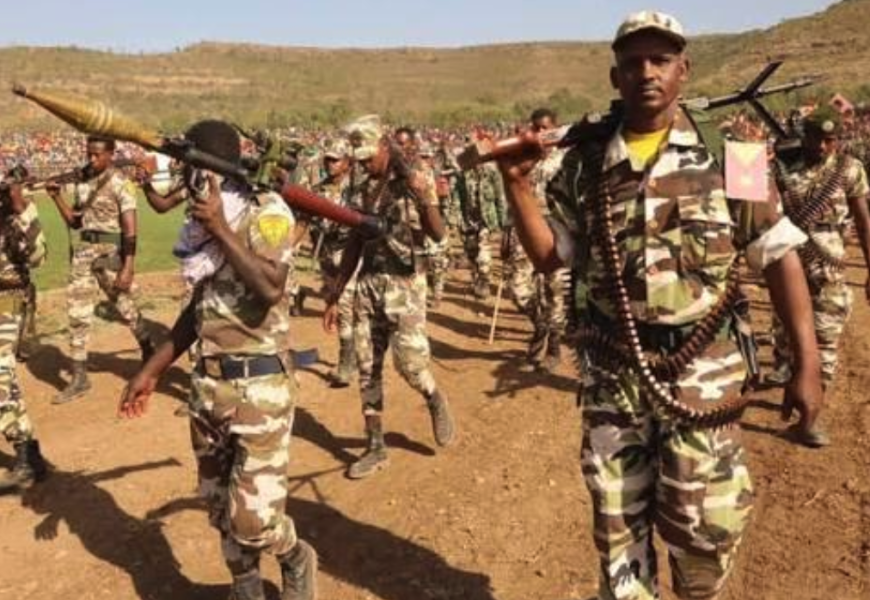
Fighting has continued in parts of North and South Kivu involving the Congolese army, allied armed groups and M23 fighters.
AFC-M23 has accused Kinshasa of attacking populated areas and violating the ceasefire.
"The AFC-M23 calls on the Congolese people and the international community to bear witness to these serious attacks against the civilian population," AFC-M23 spokesperson Lawrence Kanyuka said.
He said the group would take measures to establish what it described as a security perimeter to protect civilians.
The allegations could not be independently verified.
AFC-M23 also said on August 27 that an aircraft carrying humanitarian aid and essential supplies had been shot down by the Congolese army, describing it as a civilian aircraft.
Mak Hazukay, acting spokesperson for the Congolese army, declined to comment when contacted about the allegation.
The competing claims highlight the importance of independent verification during any ceasefire. Without an agreed mechanism for establishing what has happened during disputed incidents, individual allegations can quickly become additional sources of tension.
What can Geneva achieve?
Civil society activist Herve Amani said the Geneva talks should be viewed as an opportunity to reduce tensions and rebuild trust despite the difficulties facing previous peace initiatives.
"This meeting in Switzerland should be seen as an opportunity rather than yet another diplomatic exercise," he said.
"We must not underestimate the difficulties, but we must also recognise that dialogue remains preferable to escalation."
The Geneva talks are unlikely to resolve all of the longstanding disputes between Kinshasa and Kigali on their own.
They also cannot independently determine the future of M23 or end the broader conflict affecting eastern DRC.
However, the discussions could provide a framework for commitments that are specific, implementable and subject to verification.
For Rwanda, that includes progress towards neutralising the FDLR and addressing its security concerns.
For the DRC, it includes respect for its territorial sovereignty and progress towards the withdrawal of Rwandan forces.
A sustainable peace process will also have to account for developments in the separate negotiations involving Kinshasa and the AFC-M23 alliance.
For civilians living amid the conflict, the ultimate measure remains whether violence and displacement decline.
Bitha said he remained hopeful that the Geneva meeting could contribute to a peaceful solution.
"We have high hopes for this meeting," he said, expressing hope that the people of Congo and Rwanda could work towards an agreement to silence the guns.
More Top Stories