°C
 3
Min
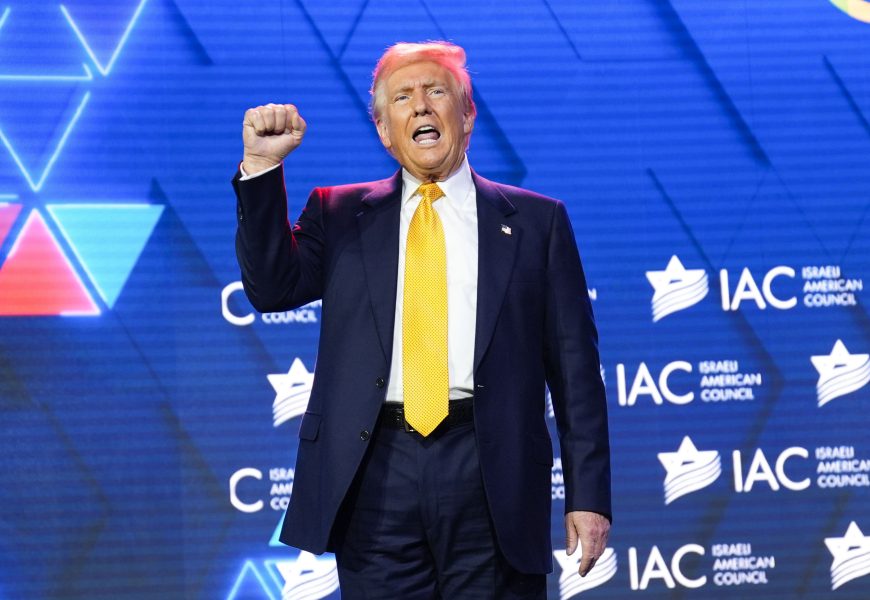
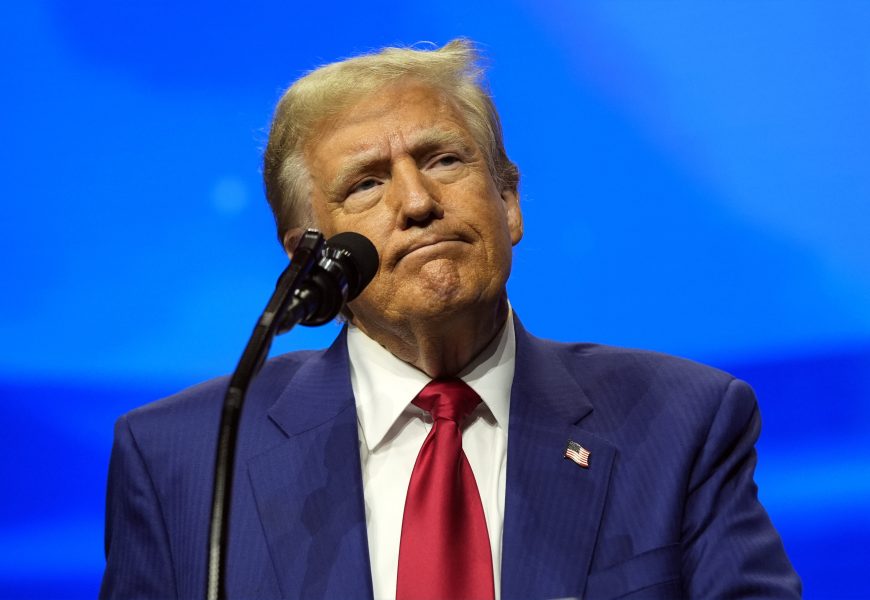
A Democratic victory in the US midterm elections would not necessarily bring an end to the United States' war against Iran, according to an international relations professor at the University of Tehran. Atefeh Taghiani said a strong Democratic performance could lead to renewed efforts to challenge President Donald Trump politically, including possible impeachment proceedings.
Democratic Midterm Victory May Not End US War on Iran
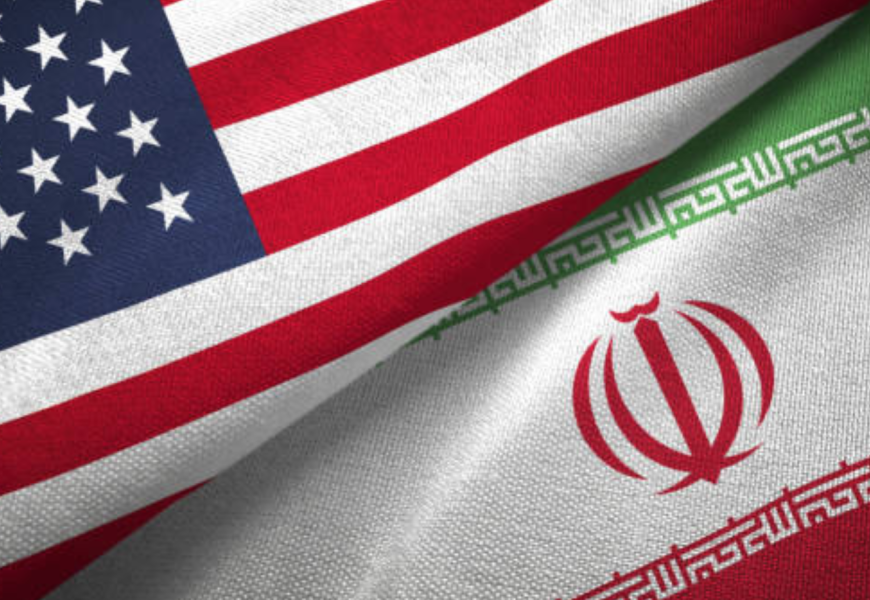
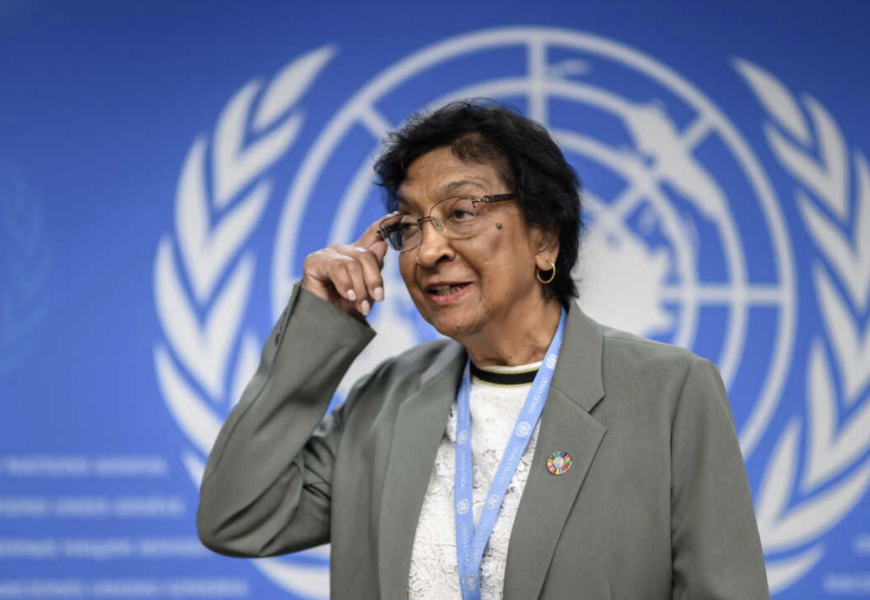
A Democratic victory in the US midterm elections would not necessarily bring an end to the United States' war against Iran, according to an international relations professor at the University of Tehran.
Atefeh Taghiani said a strong Democratic performance could lead to renewed efforts to challenge President Donald Trump politically, including possible impeachment proceedings. However, she cautioned that such a development would not automatically result in a change to Washington's military policy towards Iran.
"If the Democrats win the midterms, this means they will somehow perhaps resort to impeaching President Trump. They will try to do that," Taghiani said through a translator.
"But also, it does not mean they will stop the war on Iran. The position is still very far from that."
Taghiani said Iran's assessment was that foreign policy issues have historically played a less significant role than domestic concerns in determining how Americans vote in elections.
"Domestic conditions are what influence voters' opinions," she said.
However, she suggested that the consequences of the war could become a more significant issue for American voters if the conflict prompts broader questions about US policy towards Iran.
"Perhaps this matter will raise radical and important questions within American society," Taghiani said.
She added that the conflict could lead some Americans to reconsider the policies that had been pursued towards Iran and potentially influence future elections.
"Perhaps this matter will show them that they made a mistake regarding Iran," she said.
According to Taghiani, changes in US foreign policy have often followed shifts in domestic political sentiment, with elections providing voters with an opportunity to express their views on the direction of government policy.
She also argued that successive US administrations had generally approached Iran through policies focused on containment, including economic sanctions and the potential use of military force.
"No one thought of reaching concessions with the Iranians or even accepting their red lines," she said.
Taghiani suggested that political developments surrounding the conflict could eventually contribute to changes in Washington's approach.
She said a shift towards greater consideration of negotiations, concessions or Iranian positions could potentially alter aspects of US policy towards Tehran.
However, she stressed that a Democratic victory in the midterms alone should not be interpreted as an immediate indication that US military operations against Iran would end.
The comments come as the conflict with Iran remains a major foreign-policy issue for Washington and Tehran, with the future direction of US policy likely to depend on developments on the battlefield as well as domestic political pressures in the United States.
More Top Stories